

Applications
-
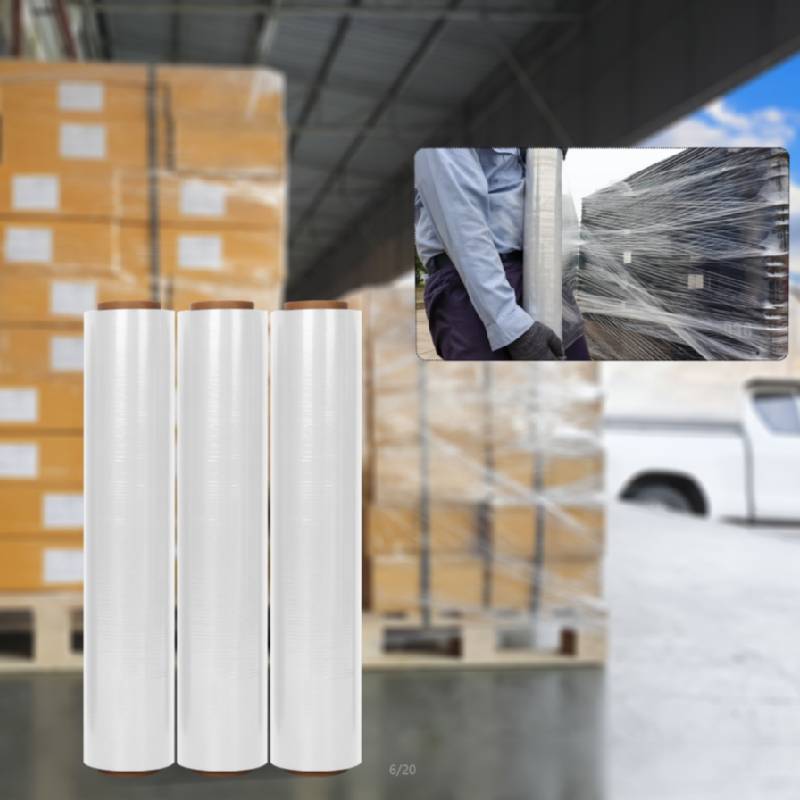
 Application in the field ofWarehouse and logistics
 -
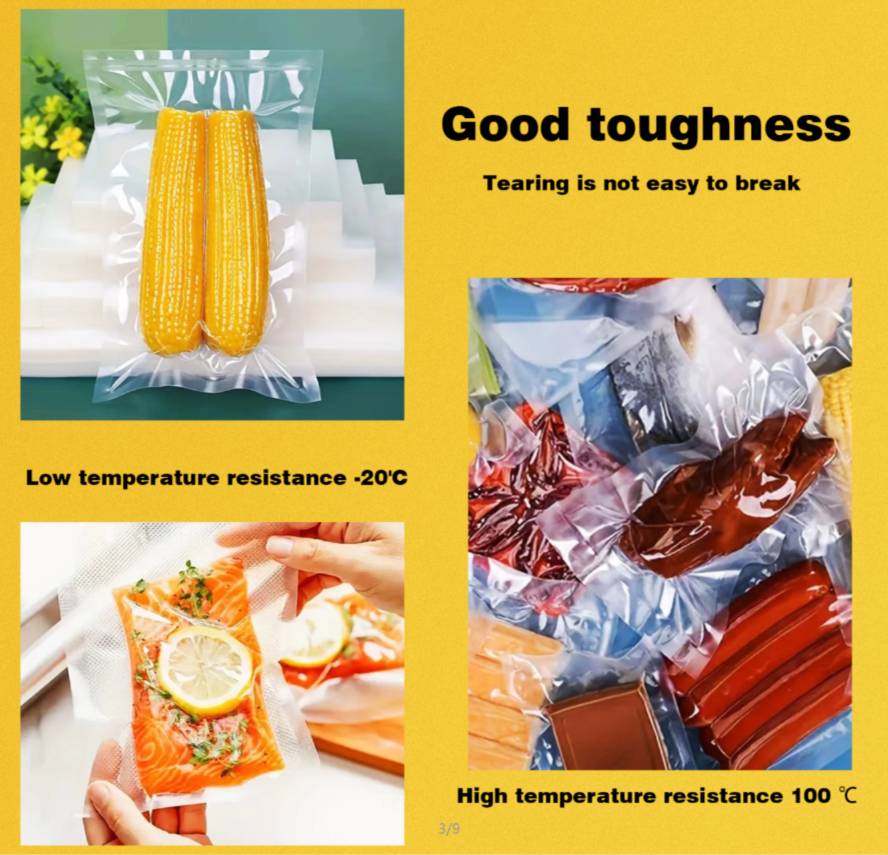
 Application in the field ofFood Packing
 -
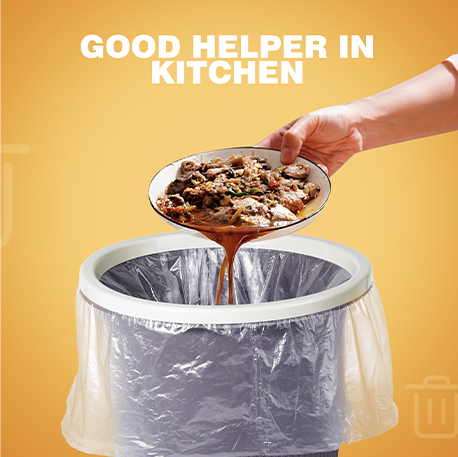
 Application in the field ofBiodegradable
 -
 Application in the field ofbuilding materials integated packing
 -
 Application in the field ofpaper industry
 -
 Application in the field ofHotel Industry
 -
 Application in the field ofauto parts packing
 -
 Application in the field ofApplications
poly mailers shipping envelopes self sealing mailing bags
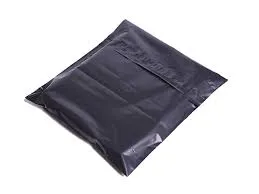
Inside the quiet revolution of e‑commerce packaging: Poly Mailer Bags From a sourcing trip in Hebei to late-night warehouse audits, I’ve watched the humble mailer evolve from flimsy film to engineered envelope. Today’s Poly Mailer Bags are not just envelopes; they’re brand billboards, test-lab survivors, and—if you get the spec right—customer delight multipliers. The factory I last visited sits in Plastic Packing Park, Xiongxian, Baoding, Hebei, China (071800). Busy place. Smells faintly of PE resin and hot-melt adhesive, which, oddly, is reassuring. What’s trending (and why it matters) Customization at scale: CMYK + spot colors, matte or soft-touch, variable QR codes for returns. Eco options: PCR (post-consumer recycled) blends 30–80%, or compostable lines for specific SKUs. Performance transparency: suppliers sharing ASTM/ISTA data, not just “thicker is stronger.” Construction and process flow (how the sausage gets made) Most Poly Mailer Bags use co-extruded LDPE/LLDPE film (sometimes with HDPE for stiffness): an opaque outer layer for print, a tougher core, and a slick inner for easy packing. After film blowing, printers lay down CMYK or Pantone inks; then come gussets (if any), side sealing, and the tamper-evident hot-melt strip. Honestly, the adhesive window is the make-or-break—cheap tape lifts in winter. Testing should include dart impact (ASTM D1709), tensile (ASTM D882), tear (ASTM D1922), seal strength (ASTM F88), and drop testing under ISTA 3A or 6A profiles. Real-world use may vary, but good mailers retain seal integrity after 24–48h at 0–5°C and 60–80% RH. Typical service life: 12–24 months in warehouse conditions; UV inhibitors help for longer storage. Product specs (typical, customizable) Parameter Spec (≈ typical) Film structure 3-layer co-ex LDPE/LLDPE; PCR 30–80% optional Thickness 60–120 µm (2.4–4.7 mil), apparel sweet spot ≈ 70–90 µm Adhesive Permanent hot-melt, tamper-evident; reclosable option for returns Printing Up to 8 colors; matte/gloss; soft-touch; water-based inks where feasible Certifications ISO 9001/14001; GRS for PCR; REACH/RoHS compliant materials Test data (example) D1709 dart: 250–350 g; D1922 tear MD/TD: 200–400 g; Seal F88: ≥ 20 N/25mm Where they shine Apparel and soft goods (lower DIM weight than boxes; fewer damage claims). Cosmetics, supplements, literature—paired with inner boxes or bubble sleeves. 3PL kitting where speed matters; easy peel-seal reduces pack-out time. Many customers say branded Poly Mailer Bags lift repeat purchase because the unboxing is clean, not overdone. I guess there’s elegance in simplicity. Vendor snapshot (field notes) Vendor MOQ Lead time Customization Certs Notes Liyabiobag (Hebei, CN) ≈ 5,000–10,000 10–20 days Full CMYK, sizes, PCR %, dual-seal ISO 9001/14001, GRS Strong adhesive program; responsive prepress Generic Supplier A ≈ 20,000 20–30 days Basic colors; limited sizes ISO 9001 Cost-down, fewer eco options Eco Brand B ≈ 3,000 15–25 days Compostable SKU; limited print OK compost, ISO 14001 Premium pricing; watch heat sensitivity Mini case study A boutique apparel brand switched to printed Poly Mailer Bags with 50% PCR and dual-seal for returns. After an ISTA 3A review and a tweak to 80 µm film, they reported ≈23% fewer scuffed garments and shaved 14% off DIM-weight shipping. Customer comments? “Clean, easy returns.” Not flashy, but it moved the NPS needle. Buying tips (from too many factory tours) Ask for ASTM D1709/D1922/D882 and F88 data with lot traceability. Check adhesive at low and high temp; request cold-chain simulation if you ship winter apparel. If you want greener, prefer GRS-certified PCR over vague “recycled.” For returns, choose dual-peel tape; for privacy, demand truly opaque inner layers. Bottom line: spec the bag like you’d spec a product. The right Poly Mailer Bags reduce damage, packing time, and shipping costs—while quietly carrying your brand. Citations ASTM D1709, D1922, D882, F88 test methods for plastic film performance – astm.org ISTA 3A & 6-Amazon.com SIOC packaged-products testing – ista.org ISO 9001:2015 Quality management systems – iso.org Global Recycled Standard (GRS) v4.0 – textileexchange.org


0
Square Meters

0+
All Employees

0Tons
Annual Production

0+
Patent Certificate
OUR ADVANTAGE
-
 QUALITY & INNOVATIONWe certified by FDA,SGS, AEO,I-SO9001,I-SO22000 etc.,We have own innovation& research team ,In 2020, our company established an industry university research cooperation relationship with the National Engineering Research Center of Engineering Plastics, Institute of Physics and Chemistry, Chinese Academy of Sciences, and established the "Hebei Biodegradable Polymer Film Technology Innovation Center".
 -
 MORE RELIABILITY and End-to-end solutionMake more informed decisions with unlimited support from our team of product specialist,we guarantee the highest quality product and customer experience with every order! Get your packaging from certified manufacturers for reliable results every single time.
 -
 CUSTOMIZED SERVICEMore brand impact ,fully control the size of your packaging with no limitations to tailor your product , OEM&ODM Acceptable. Leave your customers with a lasting impression with solutions designed for brand impact and recognition.
 -
 SAVE COST &TIMEOur raw materials are directly purchased from large enterprises domestic and overseas such as Petro China, Sinopec, Sabic, Equate, Exxon Mobil, Dow Chemical, Total, and Borouge, ensuring the price advantage and quality of the raw materials. Benefit from expertly engineered solutions designed to save you as much time and money as possible.
-
LASTEST NEWS
-
EXIHIBITION
-
2026-04-02 22:15 Custom Logo Embossed Brown Paper Bags for BrandingThe Ubiquitous Brown Paper Bags with Logo A Symbol of Simplicity and Brand Identity In the hustle a -
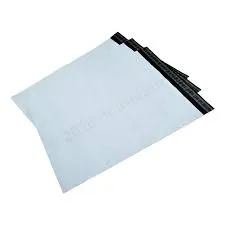
2026-04-02 21:55 Durable and Spacious Postage Bags for Secure Shipping SolutionsThe Versatility and Benefits of Big Postage Bags In today's fast-paced world of e-commerce and onlin




 English